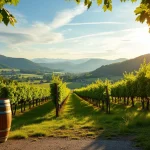


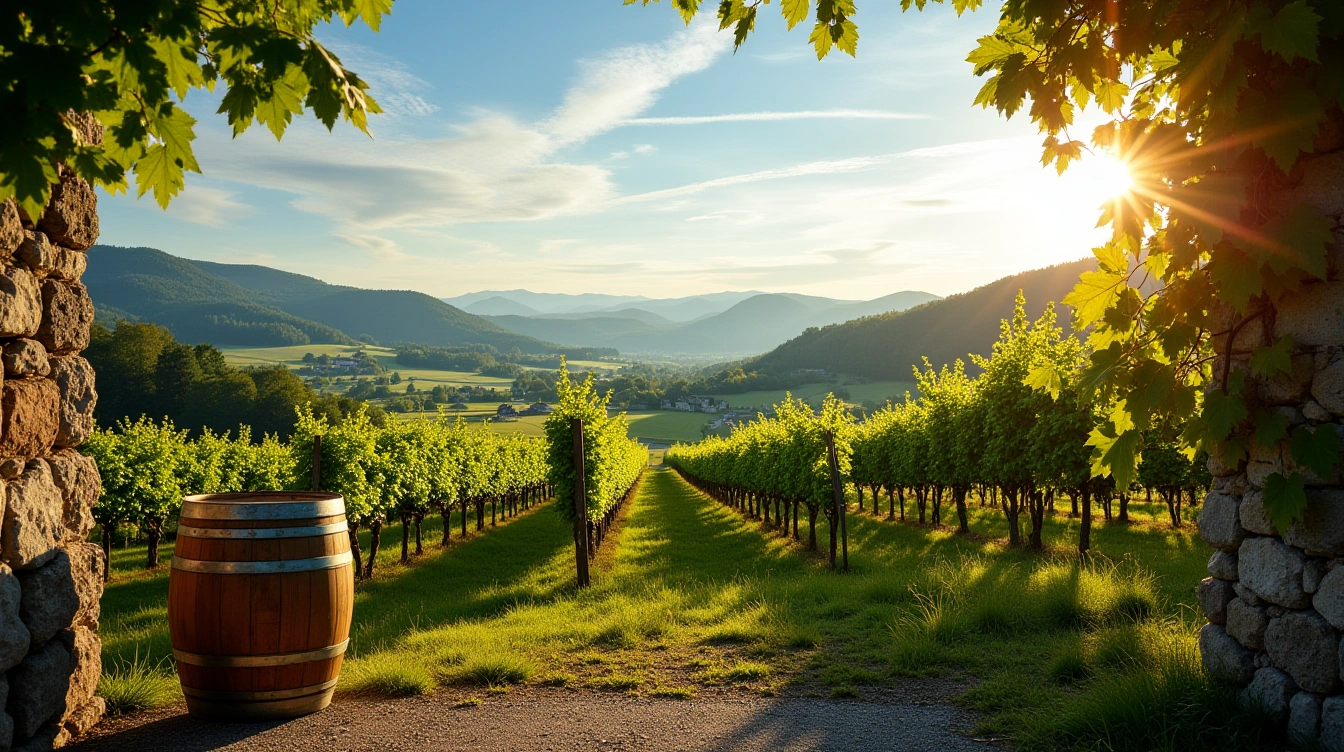
Nestled between the majestic Alps and tranquil lakes, Swiss wine stands as one of Europe’s most intriguing secrets. While Switzerland is celebrated worldwide for its chocolate and watches, it also nurtures an ancient winemaking heritage, with exceptional vineyards and a striking array of wine styles. Nearly half of all production remains within Swiss borders, making these bottles a rare find internationally. Behind this exclusivity lies a thriving scene where quality and diversity are in perfect harmony.
The unique character of swiss wine
The landscape of swiss wine is defined by dramatic topography and a patchwork of microclimates that foster both experimentation and meticulous craftsmanship. Unlike larger, mass-production regions, most vineyards here are small, family-run plots, expertly carved into hillsides or valley floors. This scale enables producers to balance respect for tradition with ongoing innovation.
In parallel : What type of bread bin best preserves the freshness of homemade bread?
Each bottle captures a distinct sense of place, shaped by both natural conditions and human ingenuity. From crisp, mineral-driven whites to robust reds, every glass reflects its origin in unmistakable ways, offering an authentic taste of Swiss terroir.
Key swiss wine regions and what sets them apart
Topic to read : What are the benefits of using a cast iron skillet over a nonstick pan?
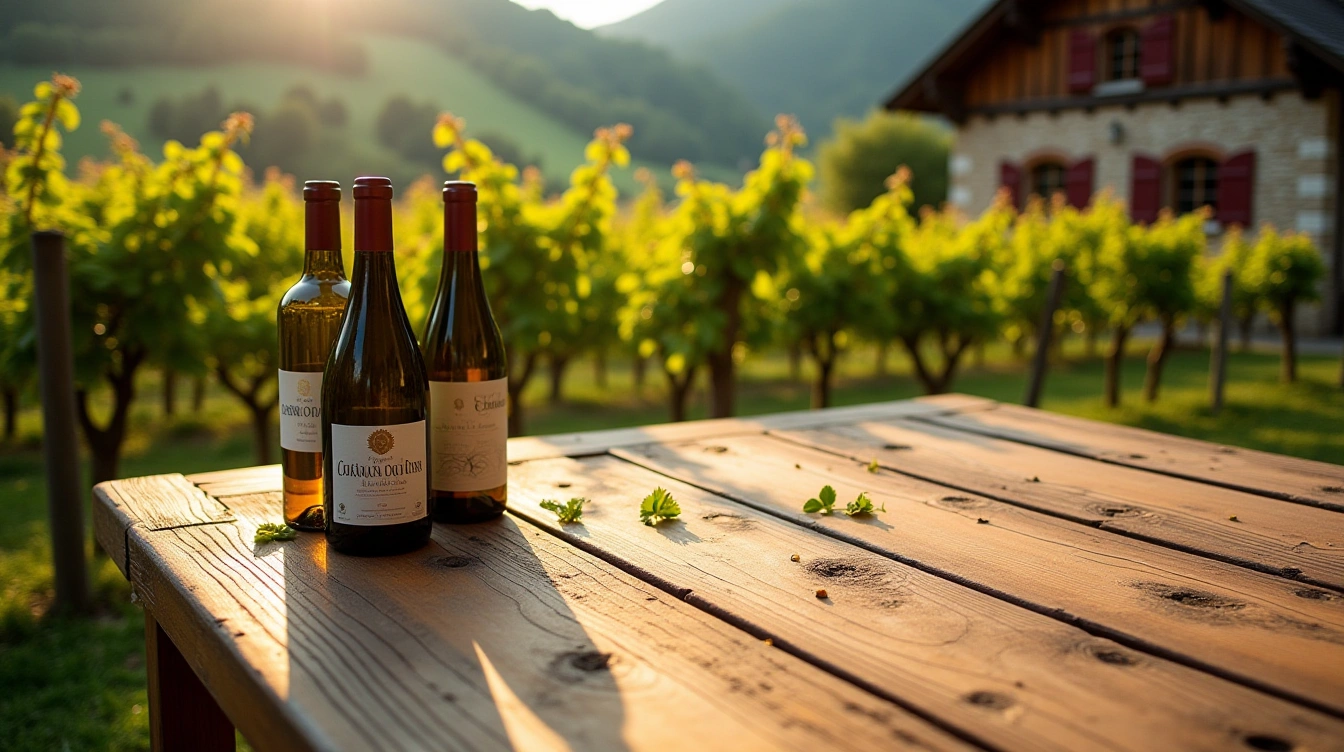
Despite its compact size, Switzerland comprises six main wine regions, each distinguished by unique soils, elevations, and grape varieties. This regional mosaic results in a remarkable diversity rarely matched elsewhere in Europe, and those who wish to explore or purchase can find the best swiss wine on cavesa.ch.
Exploring these areas unveils deep-rooted traditions and a relentless pursuit of excellence by both established and emerging producers.
The sun-drenched slopes of valais
Valais is Switzerland’s largest wine region, renowned for producing some of the most acclaimed Swiss wines. The dry Alpine climate and slate-rich soils contribute to intense flavors in local grape varieties. Here, winemakers excel at cultivating both indigenous and international grapes, yielding powerful reds and aromatic whites.
Signature specialties from Valais include Petite Arvine, prized for its bright acidity and saline notes, and Cornalin, known for its spicy red fruit character. Steep terraces along the Rhône Valley not only shape the flavor profile but also create breathtaking vistas for visitors.
The elegance of lake geneva (vaud)
In Vaud, vineyards benefit from Lake Geneva’s moderating influence and distinctive limestone soils. Chasselas reigns supreme—responsible for light, fruity white wines that are central to local culture. Delicate aromas, citrus hints, and refreshing minerality make these wines ideal for aperitifs or seafood pairings.
The UNESCO-listed Lavaux terraces exemplify how geography can infuse wines with unique character, turning tasting sessions into a sensory experience. Vaud’s winemakers preserve time-honored techniques while embracing subtle advances in cellar practices.
Leading grape varieties and wine styles
A rich blend of native and international grape varieties thrives across Swiss slopes, nurtured by diverse climates and dedicated vintners. The choice of grape defines not just the style but also reveals centuries of adaptation and expertise among producers.
This botanical abundance encourages experimentation, resulting in lively whites, structured reds, and even rare dessert wines that are recognized for their complexity and finesse.
Chasselas: the quintessence of swiss white wine
No overview of Swiss grapes would be complete without chasselas. Celebrated for delicate floral and fresh mineral notes, chasselas forms the backbone of Switzerland’s signature white wine. Its subtlety suits a wide range of dishes and holds significant cultural value at the Swiss table.
Though firmly rooted in tradition, chasselas has gained growing recognition abroad. Sommeliers praise its versatility, serving equally well as an aperitif or alongside food.
Pinot noir and red wine excellence
Among reds, pinot noir stands out as the benchmark. Swiss vineyards produce elegant, refined expressions often likened to those of Burgundy. High-altitude sites impart extra freshness, resulting in supple structures with vibrant berry flavors.
Regions such as Neuchâtel and Graubünden have made pinot noir their hallmark, using cool nights and precise viticulture to craft memorable labels. Other noteworthy reds, including gamay and merlot, further enrich the local wine landscape.
Quality and diversity: hallmarks of swiss wineries
For swiss wineries, attention to detail extends far beyond yield or quantity. Small vineyard parcels demand precision at every stage—from hand harvesting to careful cellaring. These limitations become strengths, allowing many producers to prioritize sustainable practices and a low-intervention philosophy.
Diversity shines through every aspect, from grape selection to fermentation methods, giving consumers countless options. Whether choosing classic bottlings or innovative blends, enthusiasts discover lively debates about what makes Swiss wine truly distinctive.
- Deep commitment to terroir expression in every bottle
- Emphasis on eco-friendly agriculture and certification
- Scenic, small-scale vineyards invite memorable tours
- Varied wine styles, including sparkling and sweet selections
The table below highlights how core characteristics manifest in leading regions:
| Region | Main grape varieties | Typical wine styles |
|---|---|---|
| Valais | Petite Arvine, Cornalin, Pinot Noir | Full-bodied reds, mineral whites |
| Vaud | Chasselas | Light, floral whites |
| Geneva | Gamay, Chardonnay | Fruity reds, crisp whites |
| Ticino | Merlot | Structured reds |
Why does swiss wine remain so exclusive?
The allure of swiss wine is heightened by its scarcity outside Switzerland. Less than two percent of annual production is exported, mainly due to high domestic demand and geographical constraints on expansion. As a result, export volumes remain limited, keeping these treasures largely undiscovered by international wine lovers.
This exclusivity adds to the excitement of discovering new labels during travel or at special tastings. Once sampled, the combination of mountain-grown fruit, exacting standards, and innovative styles explains why enthusiasts seek out Swiss bottles, despite their occasional rarity.
Frequently asked questions about swiss wine
What are the most important swiss wine regions?
Switzerland features several key wine regions, each bringing unique qualities to the market. Major names include Valais, Vaud (Lake Geneva), Ticino, Geneva, and German-speaking cantons such as Aargau and Schaffhausen.
- Valais: Largest region, home to many native grapes
- Vaud: Famed for chasselas along Lake Geneva
- Ticino: Mediterranean-influenced reds, especially merlot
- Geneva: Diverse blends and emerging organic producers
Which grape varieties define swiss wine?
Several grape varieties distinguish Swiss wine from other European offerings. Among whites, chasselas leads, while pinot noir dominates the reds. Smaller plantings of gamay, merlot, petite arvine, and cornalin provide extra layers of distinction.
- Chasselas: Signature white grape
- Pinot noir: Most widely planted red variety
- Gamay and Merlot: Supporting roles across regions
How do swiss wine styles vary?
Swiss wine styles range from crisp, delicate whites to concentrated, age-worthy reds. Traditional approaches exist alongside modern innovations, and some wineries now produce sparkling and late-harvest options.
- Light whites (chasselas) for aperitifs or fondue
- Spicy reds (pinot noir, merlot) for versatile food pairing
- Dessert and sparkling options increasingly available
| Style | Recommended pairing |
|---|---|
| Crisp white | Savory cheese dishes |
| Medium red | Roasted meats |
| Sweet wine | Fruit desserts |
Why is swiss wine difficult to find abroad?
The limited volume of swiss wine production, paired with strong domestic consumption, means very little is exported. Many small, family-owned producers lack global distribution networks, and geographic barriers further limit expansion.
- Only about 2% exported annually
- Focus on local sales and regional circulation
- Premium attached to exclusivity and heritage